
How to Prepare for the BZF-E Exam in Germany – 2026 Guide

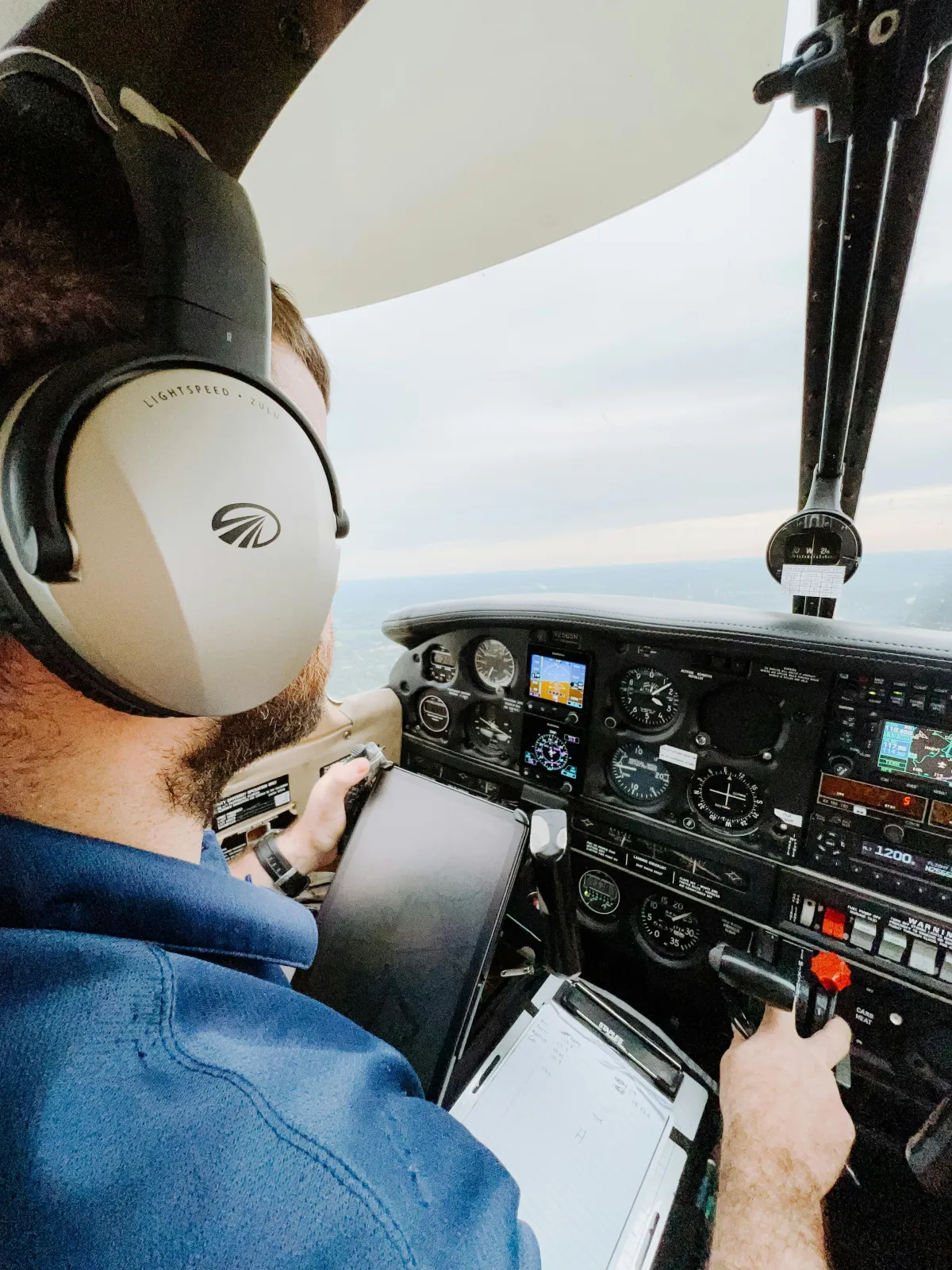
The BZF-E is the official English radiotelephony exam in Germany, issued by the Bundesnetzagentur (BNetzA) and aligned with ICAO standards. This German aviation radio certificate proves you can communicate safely and professionally with air traffic control using standard phraseology.
Having personally passed the BZF-E exam, this guide shares a realistic preparation strategy, supported by credible aviation sources such as Skybrary and ICAO.
This guide covers the BZF-E exam structure, preparation timeline, common challenges, a 5-step study strategy, and practical tips for exam day success.
What Exactly Is the BZF-E Exam in Germany?
The BZF-E is issued by the Bundesnetzagentur (BNetzA) and certifies the pilot's ability to:
- use correct ICAO radiotelephony phraseology
- understand and respond to ATC instructions in English
- maintain situational awareness during radio exchanges
- read back clearances clearly and accurately
- handle routine and slightly non-routine communication scenarios
The exam includes two parts:
While the BZF-E is a German license, its structure follows ICAO's guiding principles for aviation English and radiotelephony.
Why Radiotelephony Matters: The Safety Perspective
According to Skybrary, communication is a critical element of aviation safety, and improper or unclear phraseology remains a contributor to incidents, especially in high-workload phases of flight.
Relevant Skybrary resource: Standard Phraseology in Aviation
Skybrary highlights that using standard ICAO phraseology reduces misunderstandings, improves readback–hearback accuracy, and supports predictable communication — all essential skills assessed during the BZF-E exam.
For deeper background, ICAO's Manual on the Implementation of Language Proficiency Requirements (Doc 9835) provides the official framework for aviation English, including radiotelephony and plain-language communication:
ICAO Doc 9835 PDF (via Skybrary)
These references help candidates understand why the BZF-E exists and what examiners are looking for.
How Long Should You Prepare?
Most candidates need about 7 to 14 days of structured preparation, especially if they are already familiar with basic aviation concepts.
The most efficient preparation focuses on:
- repeating the official questions
- practicing realistic radio scenarios
- listening to real-world ATC
- reviewing standard ICAO phraseology
Short, frequent sessions are more effective than long, irregular study blocks.
Common BZF-E Exam Challenges
Memorizing many similar questions
The BNetzA catalogue contains many closely related questions, so repeated exposure is crucial.
Handling stress during the simulation
The radiotelephony simulation is often the most nerve-racking part of the exam. Examiners evaluate calmness, clarity, and structure.
Understanding ATC spoken at real-life speed
Listening skills are just as important as speaking skills.
Staying consistent with ICAO phraseology
Phraseology is standardized for safety. Deviating from it increases errors and may be penalized during the exam.
Best Way to Prepare for the BZF-E Exam
Review ICAO standard phraseology
Skybrary's article above provides a clear summary of how standard phraseology works in aviation and why it matters.
Focus on:
- traffic circuits
- runway operations
- clearances
- reporting points
- standard VFR procedures
Practice the official BNetzA questions daily
Aim for short sessions: 10–20 minutes, twice a day.
Use realistic radiotelephony simulations
These scenarios should include:
- taxi, departure, circuit, landing
- entering and leaving controlled airspace
- go-arounds or minor unexpected instructions
Listen to real ATC recordings
LiveATC or YouTube ATC channels help your ears adapt to pace, tone, and style.
Use a dedicated training tool
This is where the AZF/BZF Trainer app brings value.
Why the AZF/BZF Trainer App Accelerates Learning
During my own preparation, the AZF/BZF Trainer app was the most effective learning tool because it provides:
- all official BNetzA questions
- exam simulation mode
- fast practice mode for short sessions
- smart weak-point tracking
- clean, easy-to-read interface
- multilingual interface (EN/DE/FR)


Because you always train with the official questions, you focus on exactly what the exam assesses. Weak-point tracking ensures that study time is used efficiently, not wasted repeating mastered topics.
The ability to practice anywhere — commuting, in breaks, or during downtime — is what made the biggest difference.
Tips for Success on Exam Day
Examiners value clarity more than speed.
Avoid creative wording or informal English.
Imagine the circuit or procedure as you speak — it helps structure your communication.
Most mistakes happen because candidates rush the readback.
If unsure, ask ATC to "say again." This is acceptable and shows good judgment.
Recommended Official Resources
Frequently Asked Questions About the BZF-E Exam
Is the BZF-E exam difficult?
The BZF-E is challenging but manageable with proper preparation. Most candidates who study consistently for 2-3 weeks pass on their first attempt. The key is mastering standard ICAO phraseology and practicing with official BNetzA questions.
Is the BZF-E valid outside Germany?
The BZF-E is a German certificate issued by the Bundesnetzagentur. While it follows ICAO standards, its recognition abroad depends on bilateral agreements. For flying outside Germany, check local aviation authority requirements.
How long is the BZF-E certificate valid?
The BZF-E certificate is valid for life. Unlike medical certificates, radiotelephony licenses in Germany do not expire and do not require renewal.
Can I take the BZF-E before my PPL?
Yes, you can take the BZF-E exam independently of your pilot license training. Many student pilots complete their radiotelephony certificate early to focus on flight training afterward.
What is the difference between BZF-E and AZF?
The BZF-E (English) and BZF I/II (German) are for VFR flights, while the AZF is required for IFR operations. The AZF covers more complex procedures and is typically needed for commercial or instrument flying.
Final Thoughts
Preparing for the BZF-E does not have to be stressful. With structured daily practice, familiarity with ICAO phraseology, and exposure to real ATC communication, most pilots can pass comfortably on the first attempt.
The AZF/BZF Trainer app is designed to make this preparation faster and more effective by providing the official questions, intelligent tracking tools, and a clean study interface accessible from anywhere.
Consistent training works — even small sessions add up quickly.
Ready to start your BZF-E preparation?
Download the AZF/BZF Trainer app and start practicing with official exam questions today.